
How a Chiropractor Helps with Knee Pain (Beyond the Knee Itself)

Share:
 In this article
 In this article
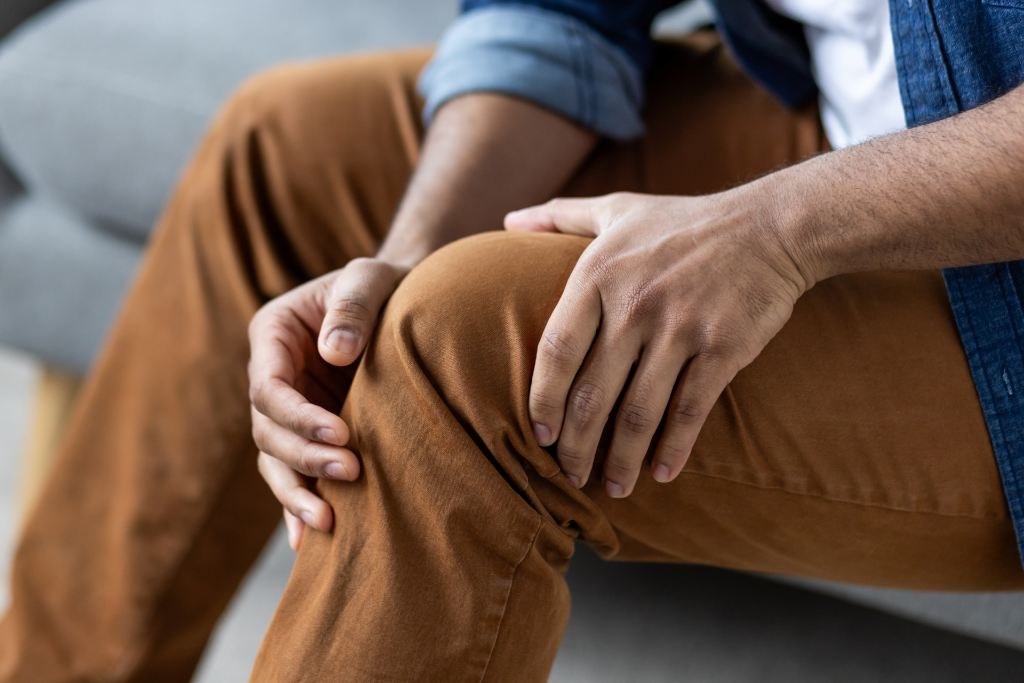
Knee pain is one of the most common reasons adults seek care, and the knee itself is not always the culprit. It is a hinge that sits between two far more mobile joints, the hip above and the ankle below, and it often hurts because one of its neighbors has stopped moving well. A stiff ankle, weak hip muscles, or a changed walking pattern can quietly overload the knee for months.
A knee pain chiropractor evaluates the whole chain, not only the joint that hurts. At Proactive Chiropractic and Rehab Center, our knee pain treatment begins with the knee and works up and down from it, because easing the pain you feel today and keeping it from returning are usually two different jobs, and both matter to us.
Why Knee Pain Often Starts Somewhere Else
Weak hip muscles are one of the most frequent causes we find. The muscles on the outer side of your hip keep the pelvis level as you walk, and when they lose strength, the thigh turns slightly inward with each step, pulling the kneecap off its normal track and gradually irritating the tissue behind it. A flattened arch in the foot has a similar effect from below, rotating the lower leg inward and changing the angle at the knee with every step you take.
The pain can also come from higher up. The nerves that supply the front of the thigh and knee begin in the lower back, and when one of them is irritated there, the discomfort is sometimes felt in the knee even though the joint itself is fine. Arthritis in the hip can send hip pain down the thigh in a similar way, which is why we check the hips and lower back during every knee exam rather than stopping at the joint that hurts.
Read: How a Chiropractor Treats Hip Pain (and What Causes It in the First Place)
How Chiropractic Treatment Relieves Knee Pain
Treatment begins with what the exam shows. A kneecap tracking poorly because of a weak hip calls for a different plan than an arthritic joint or an overloaded tendon, and we explain the reasoning to you before any treatment starts. From there, care usually combines several approaches:
- Joint adjustments and mobilization. The knee itself can be treated directly with gentle, low-force techniques that restore its natural glide, and the same methods free up a stiff ankle, a restricted hip, or the joints of the lower back when they are part of the problem. Treatment stays within a comfortable range of motion, and most patients describe it as pressure and stretch rather than anything forceful.
- Hands-on soft tissue therapy. The muscles and connective tissue around the knee, most often the outer thigh, the iliotibial band, and the calf, tighten over time and pull the kneecap off its track. Releasing them with sustained pressure and stretching eases pain and lets the joint move the way it was designed to.
- Supporting therapies. Electrical muscle stimulation can calm muscle spasm and reduce discomfort around an irritated knee, and it is most useful in the early visits when the joint is at its most sensitive.
- Progressive strengthening. Lasting relief depends on the hip and thigh muscles that control how the knee loads, and we build simple strengthening exercises into the plan, starting light and progressing as the knee tolerates more. A meta-analysis in the Journal of Orthopaedic & Sports Physical Therapy found that combining hip and knee strengthening reduces pain and improves activity more than strengthening the knee alone, which matches what we see in practice.
Early visits focus on easing pain and restoring motion, because a painful, stiff knee cannot be strengthened well. As the joint settles, the emphasis shifts toward the strengthening and movement work that keeps the pain from returning, and much of it happens at home between visits with exercises we teach you along the way.
Most patients continue their normal routines during care. Treating knee pain rarely means stopping activity altogether; it usually means adjusting it for a while, and we help you decide what to scale back and when to build it back up.
Common Causes of Knee Pain a Chiropractor Evaluates
The exam sorts knee pain into patterns, and each pattern points treatment somewhere different:
- Pain at the front of the knee that worsens with stairs and long sitting usually points to the kneecap tracking poorly against its groove.
- Pain along the inner or outer joint line after activity suggests the joint surfaces or the shock-absorbing cartilage between them.
- An ache that builds with age and stiffens in the morning fits arthritis.
- Pain below the kneecap in someone who jumps or runs fits tendon overload.
- A tight band of pain along the outer knee in distance runners fits irritation of the iliotibial band, the long strip of tissue running from hip to shin.
Athletes and runners see these patterns more often, because training magnifies small mechanical faults: sudden direction changes stress the ligaments, repetitive jumping overloads the tendon below the kneecap, and mileage ramped too quickly sits behind much running-related knee pain. For those patients, our sports injury chiropractor services add sport-specific care, including movement analysis, training-load adjustments while tissue recovers, and a structured return to competition.
Whatever the pattern, assessment covers the hips, ankles, and lower back regardless of where the pain sits, along with X-ray imaging on site when the findings call for it.
When Knee Pain Needs an Orthopedic Evaluation
Certain findings send a knee to orthopedics rather than to a treatment table:
- Rapid swelling within hours of an injury
- Giving way during normal walking
- Locking, where the knee cannot fully straighten
- A pop felt during a pivot, followed by pain and swelling
- Fever or a hot, red joint, which points to a problem beyond mechanics
These signs suggest structural damage, most often a ligament or the shock-absorbing meniscus cartilage, and deserve an orthopedic exam and often an MRI. We screen for them at the first visit and refer to the orthopedic specialists in our network when they appear, because a torn ligament managed as a muscle problem costs the patient months.
Start Knee Pain Relief With Proactive Chiropractic
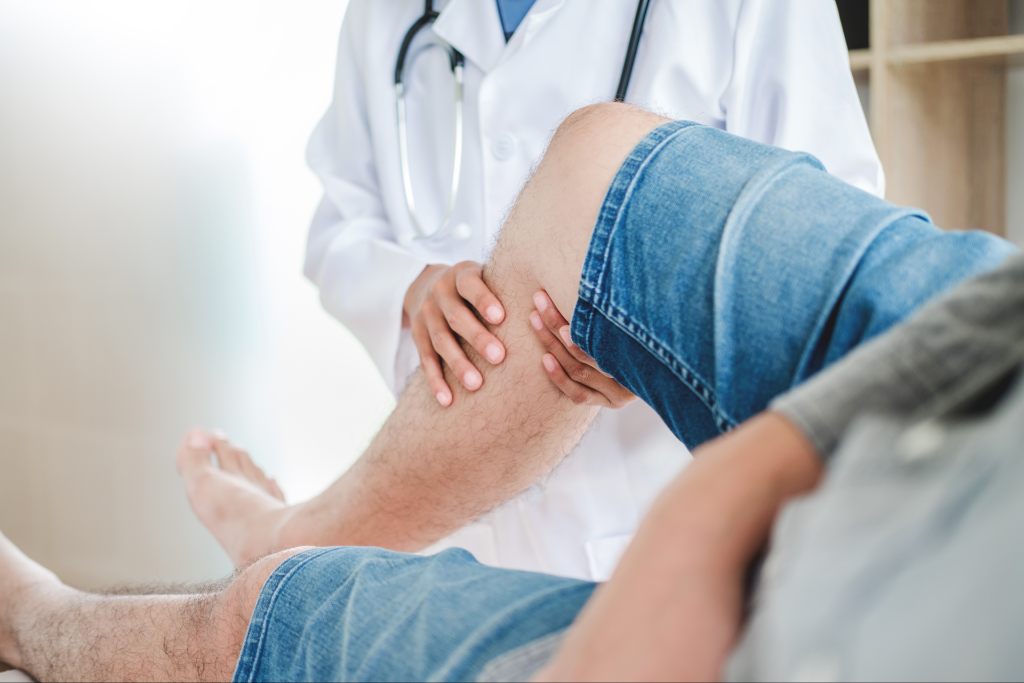
Knee pain that has resisted rest, ice, and time is usually pain with a mechanical cause still in place, and a whole-chain evaluation is the shortest route to finding it. Our approach is to identify that cause, treat it with gentle, low-force care, and refer promptly when the knee needs a specialist instead. Dr. Alec Khlebopros, DC brings more than 20 years of sports medicine-informed practice to each evaluation. Patients come to us for that care from across our service areas, including Steele Creek, Ayrsley, and Dilworth as well as Matthews, Indian Trail, Monroe, Waxhaw, Mint Hill, and Belmont. If knee pain has been keeping you from the activities you enjoy, book a visit with our Charlotte team and we will take a careful look at the whole picture and help you get back to moving comfortably.
FAQ
Can a chiropractor really help with knee pain?
Yes, particularly when the pain traces to joint restriction, muscle imbalance, or mechanics in the hips, ankles, or spine. Chiropractic care combines joint mobilization, soft tissue therapy, and corrective exercise to address those causes. Structural injuries such as ligament and meniscus tears need an orthopedic evaluation, and a good exam identifies which category your knee falls into.
Should I see a chiropractor or an orthopedist for knee pain?
Gradual-onset pain without swelling, locking, or giving way is reasonable to start with conservative care, which resolves most cases of that type. A knee that swelled quickly after an injury, locks, buckles, or popped during a pivot should see an orthopedist first. When patients start with us and the exam points surgical, the referral happens at that first visit.
How many visits does knee pain treatment take?
Many patients feel a difference within the first few visits as joint motion and muscle tension improve, while the strengthening that keeps the pain from returning typically runs several weeks. The timeline depends on the cause, how long the pain has been present, and the activity level the knee needs to support.