







Spinal decompression therapy is a gentle, non-invasive technique that stretches the spine to relieve pressure on herniated discs. This therapy helps to create space between the vertebrae, allowing the disc to return to its proper position, reducing nerve pressure, and promoting healing. Many patients experience relief from herniated disc pain through spinal decompression.
Disc Injury
Herniated Disc Treatment Charlotte
Disc injuries such as herniations or bulging discs are common after car accidents or other traumatic events, causing significant pain and discomfort, especially in the lower back. These injuries can lead to nerve compression, resulting in shooting pain down the legs, numbness, and muscle weakness. Fortunately, chiropractic care offers effective, non-invasive solutions that can help heal these injuries without the need for invasive surgery.
At Proactive Chiropractic & Rehab, we are highly skilled in treating herniated discs using a variety of non-invasive techniques. We’ve helped many patients avoid surgery through chiropractic care, reducing their pain and restoring function.
Herniated discs are more common than many people realize. There are 23 discs in the spine: 6 in the neck (cervical), 12 in the mid-back (thoracic), and 5 in the lower back (lumbar). These discs act as natural shock absorbers between your vertebrae. Each disc has a gel-like center that can bulge or rupture due to injury, repetitive stress, or age-related degeneration. When this happens, it is commonly referred to as a herniated, bulging, or slipped disc.
Your Personalized Treatment Plan
We combine advanced techniques to accelerate your healing and provide lasting relief.
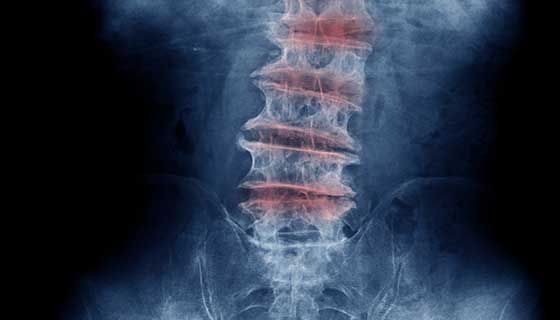
What is a Herniated Disc?
A herniated disc, also known as a slipped disc, occurs when the soft, gel-like center (nucleus pulposus) of a spinal disc pushes through a crack in the tougher exterior (annulus fibrosus). This causes the disc to bulge out of place, creating pressure on surrounding nerves. This pressure can cause a variety of symptoms, such as pain, tingling, numbness, and muscle weakness, depending on which nerve is affected.
Discs are essential structures that sit between the vertebrae of the spine, acting as shock absorbers and providing space for nerves to exit the spinal column. When one or more of these discs herniates, it can disrupt the function of the spine, causing significant discomfort and potential long-term issues.
The pain caused by a herniated disc doesn’t always appear where you expect it. Pain may occur in the neck, back, legs, or arms. In some cases, a disc may bulge gradually without symptoms until a simple action like a cough causes a sudden, sharp pain. Limited range of motion is also a common symptom, and it may become difficult to stand up straight or move the neck comfortably.
What Causes a Herniated Disc?
The most common causes of a herniated disc include trauma, repetitive motion, poor posture, and aging. Sudden trauma, like a car accident or lifting a heavy object improperly, can cause the disc to bulge. Over time, the disc loses flexibility and can become more prone to herniation due to wear and tear. This is why herniated discs are more common in older adults but can affect individuals of any age.
Treatment for Herniated Discs
A herniated disc can often be treated employing non-invasive treatment, focusing on methods that promote natural healing and reduce discomfort. Treatments for a herniated disc often include: Spinal Decompression Therapy: This technique gently stretches the spine to relieve pressure on the affected disc, promoting healing. It’s especially effective for herniated discs and can significantly reduce pain without the need for surgery.
- Spinal Adjustments: Chiropractors use precise adjustments to realign the spine, improving nerve function, alleviating pain, and restoring mobility.
- Dry Needling: This treatment targets muscle tightness and knots around the affected area, helping to ease pain and accelerate the healing process.
- Physical Therapy Exercises: These exercises are designed to strengthen the core and stabilize the muscles around the spine, helping to prevent future injuries and improve overall function.
Chiropractors are specially trained to treat herniated discs using safe and gentle techniques. Many patients feel nervous about treatment due to pain, but rest assured that chiropractic care focuses on pain-free, natural solutions to reduce symptoms and restore quality of life. You can always ask questions during your visit to make sure you’re comfortable with the treatment plan.
Where is Herniated Disc Pain Felt?
A herniated disc can be a source of significant pain, depending on its location in the spine. The pain can range from a dull ache to sharp, shooting sensations that radiate to other parts of the body.
This occurs when the herniated disc presses on nearby nerves, causing discomfort and limiting movement. Patients with a herniated disc often feel pain in:
- Lower Back: Most herniated discs occur in the lumbar spine (lower back), causing pain in the lower back and radiating down to the buttocks, legs, or feet (sciatica).
- Neck: If the herniated disc is in the cervical spine (neck), pain can radiate to the shoulders, arms, and hands.
- Mid-back: Herniated discs can also occur in the thoracic spine, although this is less common. Pain can be localized in the chest or back.
Sciatica is a particularly common symptom when the herniated disc compresses the sciatic nerve, which runs from the lower back down each leg. This can cause shooting pain, numbness, or tingling along the nerve pathway. The intensity and location of the pain depend on which nerve is being affected.
Your Path to Recovery
Our streamlined process ensures your injuries are treated and properly documented.
FAQs About Herniated Disc Treatment Near You
Can a Doctor Diagnose a Herniated Disc Without an MRI?
Yes, a chiropractor can diagnose a herniated disc without relying on an MRI. Through a detailed physical examination, patient history, and careful evaluation of your symptoms, a chiropractor can often identify a herniated disc.
While MRIs offer a precise view of the disc and the severity of the injury, they are not always necessary for an accurate diagnosis. Chiropractors typically assess physical signs such as limited range of motion, muscle weakness, and radiating pain. X-rays can be helpful in ruling out other conditions, like fractures, but they do not show soft tissue issues like a herniated disc. If nerve damage or complications are suspected, an MRI can provide more detailed insight into the injury.
When Do Herniated Discs Need Surgery?
Surgery for a herniated disc is generally considered a last resort. The procedure typically involves removing a portion of the disc that is pressing on a nerve. While surgery may provide relief, it is not always guaranteed, and it’s irreversible, as a part of the disc is removed. Herniated disc surgery should only be considered when:
- The pain is debilitating and doesn’t improve with conservative treatments
- There is severe nerve damage, including loss of muscle function or changes in bowel or bladder control
- Conservative care doesn’t alleviate the pain over a long period of time
Non-invasive treatments like spinal decompression, chiropractic care, and physical therapy are usually effective in reducing pain, promoting healing, and restoring function. By prioritizing these treatments, many individuals can avoid surgery, recover with less risk, and experience a quicker recovery time.
What Can Be Misdiagnosed as a Herniated Disc?
Several conditions can mimic the symptoms of a herniated disc, including muscle strains, sciatica (which can be caused by issues like piriformis syndrome), and spinal stenosis. These conditions often present similar symptoms, such as pain, numbness, or radiating discomfort. A thorough chiropractic evaluation, including physical assessments and a review of your medical history, can help distinguish between these issues and ensure an accurate diagnosis.
What Worsens a Herniated Disc?
Several factors can worsen the pain associated with a herniated disc, including:
- Prolonged sitting or poor posture
- Lifting heavy objects or bending improperly
- Twisting or jerking movements that stress the spine
- Lack of movement or physical activity, which can cause stiffness and aggravate the injury
To minimize discomfort, it’s essential to move carefully, maintain good posture, and follow the advice of your chiropractor on how to manage the condition.
What Are the Worst Positions for a Herniated Disc?
The worst positions for a herniated disc include sitting for prolonged periods without support, which can increase pressure on the spine. Lying on your stomach can also worsen the condition by stressing both the neck and lower back. Additionally, twisting motions, especially when lifting heavy items, can put unnecessary strain on the affected area. A chiropractor can provide guidance on proper posture and movement to help avoid aggravating the injury.
How Should I Sleep If I Have a Herniated Disc?
Patients suffering from herniated disc pain should sleep in the most comfortable position that works best for you. Sleeping in the right position can actually help relieve pressure on the spine and reduce stress on a herniated disc.
The best position is usually on your back with a pillow under your knees to take pressure off the lower back. If you sleep on your side, place a pillow between your knees to maintain spinal alignment. Avoid sleeping on your stomach, as it can put unnecessary strain on the neck and lower back.
Can I Walk From a Herniated Disc?
Most people with a herniated disc can still walk, although it may cause some pain. The level of discomfort can affect mobility, but movement is actually beneficial for healing. Motion is lotion and gentle controlled movement can help lubricate the spine, reduce stiffness, and promote healing.
With the right chiropractic care and rehabilitation, many people find that walking and staying active can improve mobility, relieve pressure on the affected disc, and support recovery over time.
What is Spinal Decompression Therapy and How Does it Help Herniated Discs?
Reviews From Our Charlotte Patients

Insurance & Coverage
We verify your benefits and provide a clear cost breakdown. We are committed to affordable care.
 Same Day Appointments Available
Connect With Our Team
Complete the form below or call us directly to schedule your consultation
Your information is secure and confidential. We’ll contact you within 24 hours.
Private & Secure
100% Confidential
Fast Scheduling
Same-Day Available
Community Trust
20+ Years Serving
Proven Results
5-Star Rated Care

